
ABOUT THE FRAMEWORK FOR CLASSICAL LANGUAGES
This framework may be used to develop classical language-specific curricula for classical languages that have not been published, such as Classical Chinese, Classical Hebrew and Sanskrit. Classical Greek and Latin have been published and are available on the Languages webpage.
Introduction
The Australian Curriculum: [Classical Language] is pitched to second-language learners in Years 7–10, that is, the dominant structure and sequence of learning in the current Australian school context. For most students it is their first experience of learning [Classical Language].
Rationale
[Classical Language] was the official language of Ancient [Country/City]. Curriculum writers insert period of time, spread and influence of [Classical Language]; and the significance of [Classical Language] and Ancient [Country/City] in and of its time, and influences in modern times.
[Classical Language] has been taught in Australian universities and schools since ... Curriculum writers insert the history of teaching and learning in Australia. By accessing and translating texts and engaging with artefacts, students make connections with ancient worlds that have shaped contemporary life and societies. Learning [Classical Language] enhances students’ understanding and knowledge of … Curriculum writers insert significance of [Classical Language] to English and/or other languages. This knowledge promotes understanding of diverse languages, cultures, attitudes, beliefs, values and traditions.
Structure
[Classical Language] has been developed as a second-language learner pathway which caters for students learning [Classical Language] as a second or additional language in Years 7–10.
The second-language learner pathway includes one sequence:
- Years 7 to 10.
Teachers use the curriculum to cater for the range of learners by making appropriate adjustments to differentiate learning experiences.
Content in [Classical Language] is organised under 2 interrelated strands, each with a number of sub-strands. The strands and sub-strands are presented in Figure 1.
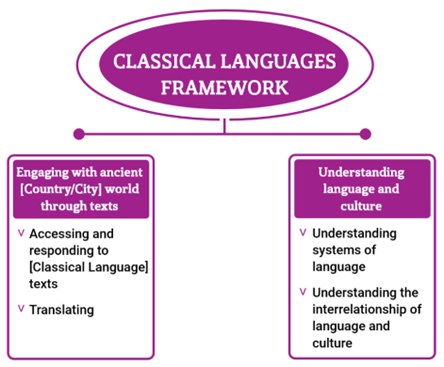
Figure 1: Framework for Classical languages content structure
Strands
Strand: Engaging with the ancient [Country/City] world through texts
This involves students engaging with the language, culture and history of the ancient [Country/City] world through the interpretation, analysis and translation of [Classical Language] texts. There are 2 sub-strands.
Accessing and responding to [Classical Language] texts
Engaging with and responding to the ideas and people of the ancient [Country/City] world, through texts that reveal language use and social and cultural practices.
Translating
Translating [Classical Language] texts into English, comparing and explaining different interpretations of the same text.
Strand: Understanding language and culture
This involves students learning to analyse language and culture as resources for understanding meaning. There are 2 sub-strands.
Understanding systems of language
Understanding the linguistic features of [Classical Language], including sound, writing, grammatical and textual conventions.
Understanding the interrelationship of language and culture
Analysing and reflecting on the role of language and culture in shaping meaning and identity.